Design Thoughts
Disclaimer: These are opinion pieces. I’m not interested in writing dry, scholarly articles about the current state of UX, UI, interaction design, etc. That would require time and research. I am going to write from experience instead. You’re supposed to write what you know, right?
I will make make broad, unsupported assumptions. I will introduce straw men I will find surprisingly easy to knock down.
I’m going to use the word “design” loosely. Sometimes as a noun, sometimes as a verb. “Design” may mean software interaction design. It might mean the industrial design of hardware. And it will most likely mean the overall, messy process of creating completely new products cobbled together out of new and (re)used code and hardware.
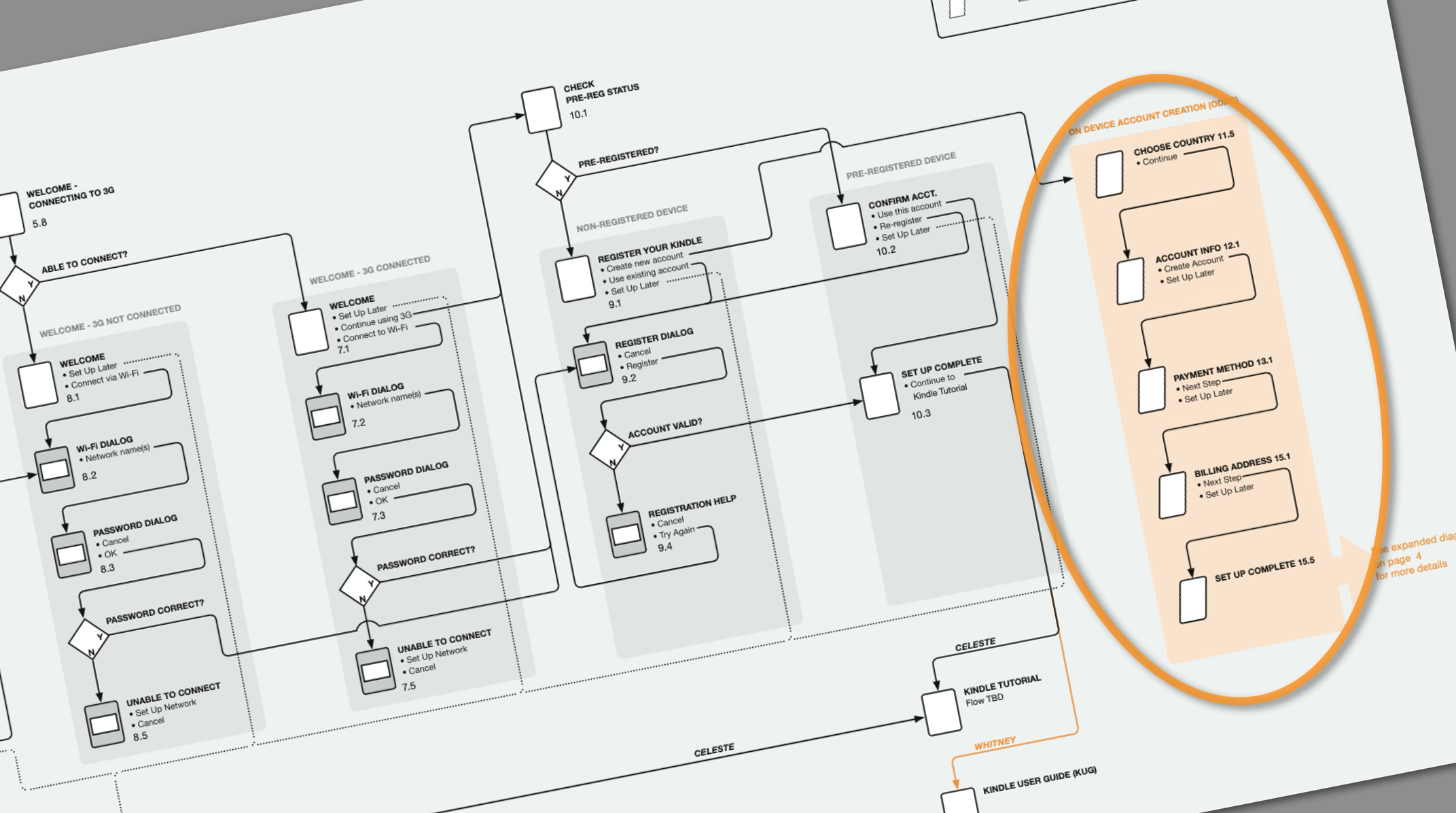
Model Use in System and Product Design
The use of product and systems models in early stages of requirement gathering and product definition allows for early market validation, unblocks development, and speeds the creation and accuracy of final, front-end designs.
Yes, you read that right—the use of models can unblock developers.

Products: “Smart” or “obedient”?
Given current technology, I think its futile to try and design commercially-available smart products. What we should be trying to do is design better, more obedient products. In a perfect world, my dog wouldn’t fetch me a cold beer every day at 7PM or whenever the temperature goes above 85° F. No, my dog would fetch me a cold beer with a 100% success rate whenever I asked him to.

Square pegs, round holes
Can UX designers design for anything other than rectangular frames anymore?

Palm Zire 71 case study
I’ve been told this case study offers nothing of value for UX designers. Why? Because it describes how a successful product as designed without a formal UX development process—design patterns are intentionally violated, users are given false information about the state of the system, nothing is formally tested, etc. In other words, this is a description of UX design as it really happens in the real world.

How to design a list
The basic principles of graphic design have evolved over millennia, having first been used on cave walls, then marble monuments, papyrus, parchment, and eventually paper. They should be applied to computer screens, too.