Product Design ● Case studies
Definition
Product Design covers the specific ways in which the user interacts with the product via UX widgets, voice, gestures, and hardware controls. Product design also defines the data the user provides, the data accessed from other systems, and the data that will be generated.
Product design does not require final text strings, final screen layouts, or visual design treatments. AI is incredibly useful at this stage for creating multiple use case solutions good enough for scoping and user testing.
Case studies
Add/remove major features to an existing product ● Amazon Kindle
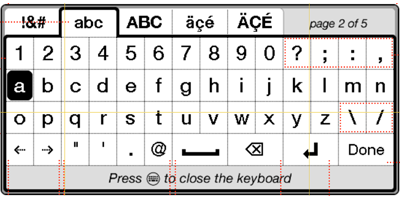
To reduce production costs Amazon decided to remove the hardware keyboard and two function buttons on the second generation Kindle eReader. I had concerns that the new, required onscreen keyboard would be far more difficult to implement than PM and Dev anticipated that and the loss of two dedicated hardware buttons would negatively impact the overall UX. I researched, tested, proved my concerns correct, and came up with successful solutions.
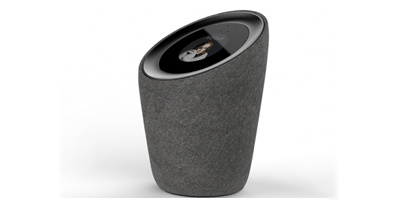
I was hired to design and deliver functional prototypes to showcase the functionality of Samsung’s Internet of Things (IoT) division’s hardware modules. The most prominent project was TUNE, a smart speaker with both voice and touch interfaces demonstrated at CES.
Align product to existing roles ● Parsable
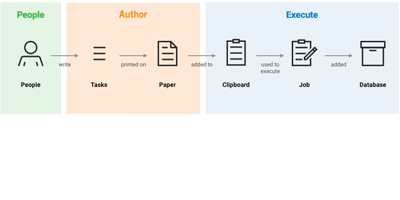
Parsable provides procedure (checklists) authoring, tracking, and documentation features for a wide variety of industries. However, clients found the platform impossible to use without training. I interviewed customers and found the feature set was correct but the product architecture didn’t align with existing management roles and business processes. I re-organzied the Parsable platform to align with the ways companies actually wrote, approved, and disseminated procedures.
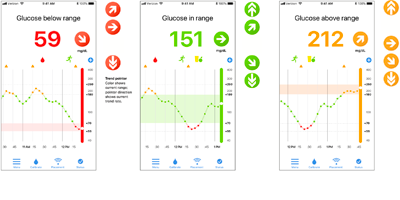
I designed an FDA-approved mobile app for Eversense’s first permanently-implanted glucose sensor. The mobile app had to communicate insulin status and make recommendations to people who had little technical or scientific background but who were interested in tracking and controlling their blood glucose levels.